Discovering the Causes and Effects of Digestive Tract Issues and the Duty of Digestive Tract Wellness Supplement
Intestine health is an important aspect of overall wellness. Poor dietary selections, tension, and inequalities in gut germs can lead to various digestion problems. Symptoms such as bloating, looseness of the bowels, and abdominal pain commonly show much deeper health concerns. Comprehending these causes and the possible role of intestine health supplements might offer necessary insights. What approaches can be employed to recover balance and boost digestive tract feature? The responses might depend on the next actions.
Recognizing the Digestive Tract Microbiome
The digestive tract microbiome, a complicated ecosystem of trillions of bacteria staying in the digestive system, plays a necessary duty in total health and wellness. This varied area is composed of germs, viruses, fungis, and other microorganisms that interact symbiotically with the human host. They help in the food digestion of food, the synthesis of vitamins, and the policy of metabolic process. Additionally, the digestive tract microbiome substantially influences the body immune system, aiding to safeguard versus pathogens and preserve a well balanced inflammatory action. Research suggests that a healthy microbiome is essential for psychological wellness, with gut-brain interactions influencing mood and behavior. Aspects such as diet regimen, way of life, and environmental exposures can shape the structure of the microbiome, stressing the value of keeping a balanced diet regimen rich in fiber and probiotics. Comprehending this detailed environment uses understandings right into exactly how digestive tract health can affect general physical and psychological health, highlighting its significance in health management.
Typical Root Causes Of Digestion Problems
Several factors can add to gastrointestinal issues, specific usual reasons frequently interfere with digestive tract health. Poor nutritional choices, such as high sugar and processed food intake, can cause inequalities in digestive tract bacteria. In addition, inadequate fiber consumption can hinder digestion and advertise irregularity. Tension is one more considerable factor, as it can modify gut feature and worsen current conditions. Additionally, lack of exercise may slow down the digestion system, creating discomfort and bloating.
Infections, consisting of bacterial, viral, or parasitical agents, can also trigger gastrointestinal disruptions. Food intolerances and allergic reactions, particularly to gluten and lactose, typically cause gastrointestinal discomfort. Ultimately, the misuse of antibiotics can interrupt the natural microbiome, resulting in further difficulties. Identifying these common reasons is necessary for people looking for to boost their gut health and general well-being.
Identifying Signs of Gut Troubles
Determining signs of digestive tract problems can be important for timely treatment and boosted health and wellness. People experiencing gastrointestinal pain must understand several common indications that recommend underlying issues. Symptoms might include bloating, gas, looseness of the bowels, irregular bowel movements, and stomach discomfort. These indications can vary in strength and regularity, often showing the extent of the intestine problem. Additionally, some individuals may discover unexpected weight loss, exhaustion, or changes in appetite, which can indicate a more serious problem. Skin problems, such as breakouts or acne, might additionally develop, linking intestine health to total wellness. Importantly, relentless signs and symptoms must not be neglected, as very early recognition can help with effective treatment and prevent further difficulties. A detailed understanding of one's physical signals is essential, making it possible for people to look for medical suggestions when necessary and possibly bring about much better health results through suitable treatments.
The Impact of Diet on Digestive Tract Health And Wellness
Diet regimen plays an important role in figuring out gut health and wellness, influencing both microbial equilibrium and digestion efficiency. Nutrient-rich foods can promote a healthy and balanced intestine setting, while refined foods might cause inequalities and digestive concerns. Recognizing these nutritional effects is essential for keeping overall gut health.
Nutrient-Rich Foods
While lots of elements influence digestive tract wellness, the function of nutrient-rich foods can not be overemphasized. A diet regimen bountiful in entire foods, such as fruits, vegetables, whole grains, lean proteins, and healthy fats, contributes significantly to maintaining a well balanced intestine microbiome. These foods offer vital vitamins, minerals, and antioxidants that sustain digestive system wellness and decrease inflammation. Fiber-rich options, specifically, promote regular defecation and nurture helpful gut bacteria, improving total intestine feature. Probiotic-rich foods like yogurt and fermented vegetables better support digestive tract plants, helping food digestion. Including a range of nutrient-dense foods not just fosters a healthy digestive tract atmosphere but additionally enhances the immune system, adding to overall well-being. Prioritizing these foods can result in boosted intestine health and prevent prospective issues.
Processed Food Results
The usage of processed foods can significantly undermine gut health, combating the advantages of nutrient-rich choices. These foods are often high in preservatives, sugars, and ingredients, which can disrupt the balance of digestive tract microbiota. A diet abundant in refined products often tends to lack essential nutrients, bring about shortages that jeopardize digestion function. Excessive sugar and undesirable fats can promote swelling and add to problems like irritable bowel syndrome (IBS) and leaking gut disorder. This inequality might cause signs and symptoms such as pain, bloating, and gas. Furthermore, the reduced fiber material in processed foods diminishes digestive wellness by restricting the development of helpful germs. Eventually, a change towards whole, unprocessed foods is essential for keeping optimal digestive tract function and general well-being
How Stress And Anxiety Impacts Food Digestion
Stress substantially impacts digestion by activating a waterfall of physical responses that can interfere with typical stomach feature. When a private experiences tension, the body gets in a fight-or-flight mode, launching hormones such as cortisol and adrenaline. These hormones can reduce digestion by reducing blood flow to the digestion body organs, bring about symptoms such as diarrhea, bloating, or constipation.
Stress and anxiety can change the gut microbiome, adversely affecting the balance of beneficial germs. This inequality can intensify existing gut concerns or develop new ones. Additionally, stress and anxiety frequently results in unhealthy consuming habits, such as overindulging or consuming refined foods, which can additionally endanger digestive health and wellness.
Emotional factors, such as anxiousness and depression, can also add to gastrointestinal pain, creating a feedback loophole that continues digestive tract problems. Comprehending the detailed relationship between tension and food digestion is crucial for maintaining total gut health and wellness.
The Duty of Gut Health Supplements
Gut health and wellness Learn More supplements play a significant duty in boosting digestive feature and total health. Key ingredients, such as probiotics and prebiotics, are necessary for keeping a well balanced intestine microbiome. Recognizing the benefits and components of these supplements can help individuals in making notified choices for their digestive system health and wellness.
Benefits of Digestive Tract Supplements
A prospering digestion system is vital for total health, and intestine wellness supplements can play a considerable duty in attaining this equilibrium. These supplements often contain probiotics, prebiotics, and various nutrients that sustain digestion feature and advertise a healthy intestine microbiome. By improving the development of valuable germs, they can improve food digestion, reduce bloating, and reduce discomfort linked with intestinal concerns. Additionally, digestive tract supplements may reinforce the gut barrier, possibly lessening the danger of food level of sensitivities and inflammatory conditions. Routine use can additionally add to boosted nutrient absorption, energy degrees, and even psychological health, as gut health and wellness is closely linked to mood policy. Eventually, integrating digestive tract health and wellness supplements can be a calculated technique to maintaining digestive consistency and overall health.
Key Ingredients to Consider
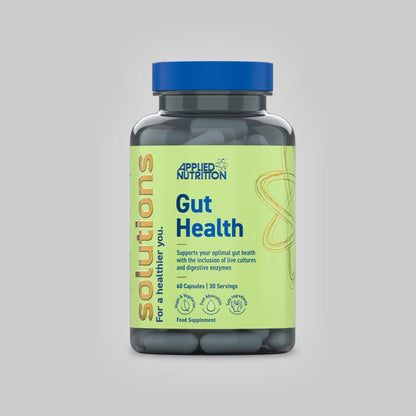
When picking intestine health link supplements, comprehending the essential active ingredients is essential for optimizing their benefits. Probiotics, especially Lactobacillus and Bifidobacterium pressures, are necessary as they assist recover a balanced gut microbiome. Prebiotics, such as inulin and fructooligosaccharides, act as food for these advantageous microorganisms, advertising their growth. Gastrointestinal enzymes, consisting of amylase and protease, assist in damaging down food, enhancing nutrient absorption. Additionally, fiber sources like psyllium husk support normal defecation and total gut health. Various other useful ingredients may consist of L-glutamine, which assists in fixing digestive tract cellular lining, and zinc, understood for its immune-supporting homes. Picking supplements with these crucial elements can substantially boost gut health and wellness and general wellness.
Tips for Keeping a Healthy And Balanced Gut
Keeping a healthy digestive tract is necessary for general wellness, as it plays a crucial role in food digestion, immunity, and nutrient absorption. To support gut wellness, individuals must prioritize a balanced diet regimen rich in fiber from fruits, veggies, and entire grains. These foods promote valuable germs in the gut. In addition, including fermented foods such as sauerkraut, yogurt, and kefir can enhance gut vegetation diversity. Staying moisturized is additionally vital, as sufficient water consumption help digestion and nutrient transportation.
Regular exercise adds to intestine health and wellness by promoting reliable food digestion and lowering tension, which can adversely impact gut feature. Taking care of stress via mindfulness practices like reflection or yoga exercise can also sustain gut wellness. Lastly, staying clear of extreme use anti-biotics and restricting processed foods, sugars, and unhealthy fats can foster a balanced digestive tract environment. By taking on these methods, people can greatly boost their intestine wellness and general well-being.
Frequently Asked Concerns

Can Digestive Tract Health Effect Mental Health And Wellness and State Of Mind Stability?
Research study shows a substantial web link between digestive tract health and mental wellness. The intestine microbiome can influence state of mind stability and my review here psychological health, recommending that maintaining a healthy and balanced digestive tract might contribute favorably to psychological strength and cognitive feature.
Exist Specific Foods to Avoid for Better Gut Health And Wellness?
Certain foods can adversely influence digestive tract health, consisting of refined sugars, artificial sweeteners, and high-fat dairy items. Minimizing these things may enhance digestive system feature and advertise a healthier gut microbiome, resulting in in general better wellness.
For how long Does It Take for Gut Health Supplements to Program Results?
The duration for gut health and wellness supplements to demonstrate impacts differs among people. Commonly, noticeable changes might take place within a couple of weeks, however some individuals might call for a number of months for ideal results, depending on their distinct health and wellness conditions.
Can Children Experience Gut Problems Comparable to Grownups?

Kids can experience gut problems comparable to adults, consisting of discomfort, bloating, and irregular bowel movements (supplement for bloating). Factors such as diet, anxiety, and infections may add to these problems, making awareness and administration important for their wellness
What Are the Long-Term Impacts of Unattended Intestine Issues?

Fiber-rich alternatives, especially, promote normal bowel movements and nurture valuable intestine bacteria, enhancing total intestine function. A flourishing digestion system is important for general health, and intestine health and wellness supplements can play a considerable duty in achieving this equilibrium. Additionally, digestive tract supplements might enhance the intestine barrier, possibly reducing the threat of food sensitivities and inflammatory problems (supplement for bloating). Normal physical task adds to intestine wellness by advertising effective food digestion and minimizing stress, which can negatively impact digestive tract function. Particular foods can negatively impact intestine health, including refined sugars, fabricated sugar, and high-fat milk items
Comments on “The Key Ingredients That Make a supplement for gut health So Effective”